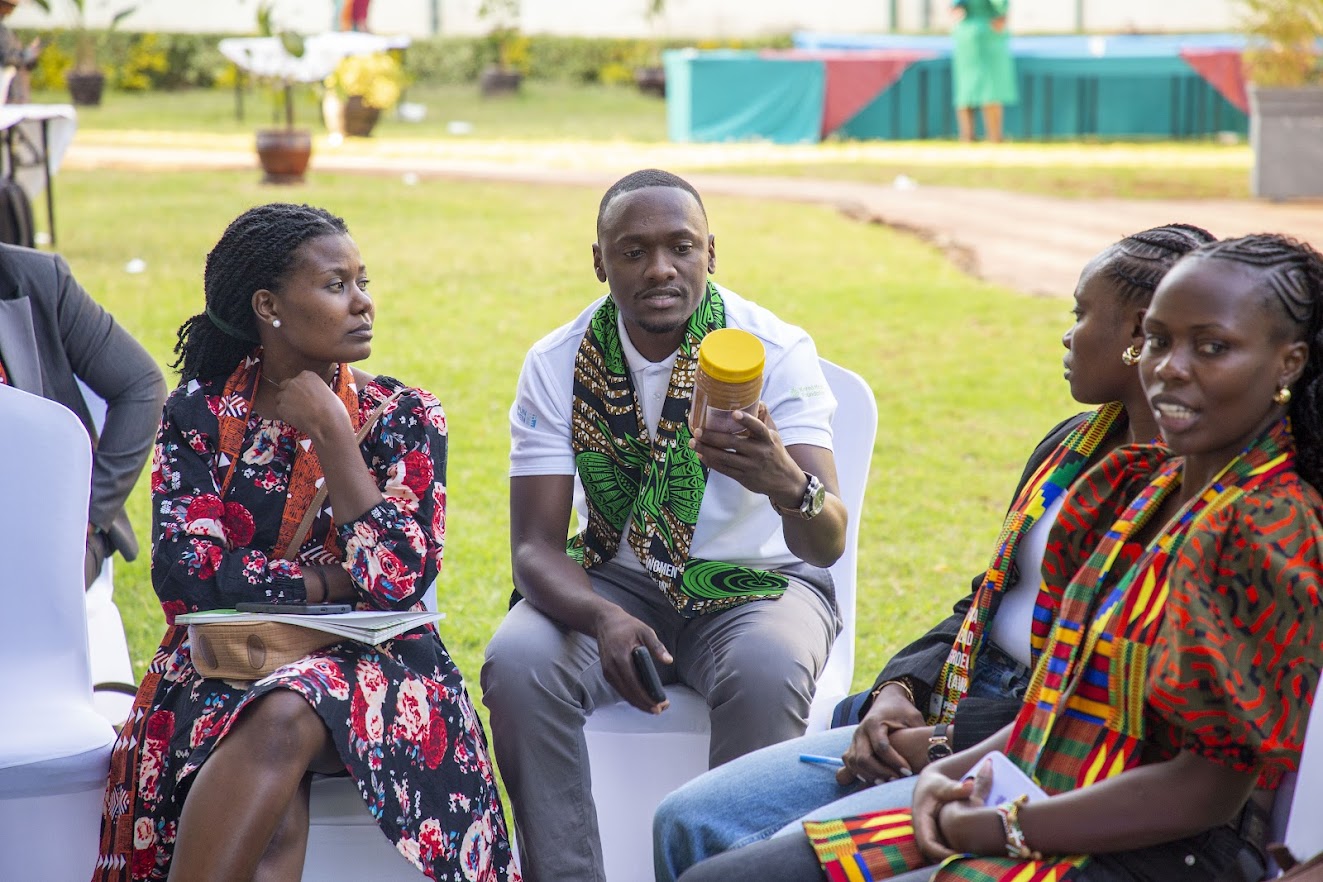

The Café offered a vibrant space where African youth could openly exchange ideas, challenges, and practical solutions related to agroecology and organic agriculture. The session was moderated by Ednah Kukundakwe, the YPARD Communications and Networking Coordinator for the WYNA Programme, featuring two WYNA Fellows and attended by other entrepreneurs, students, extension agents, and more.
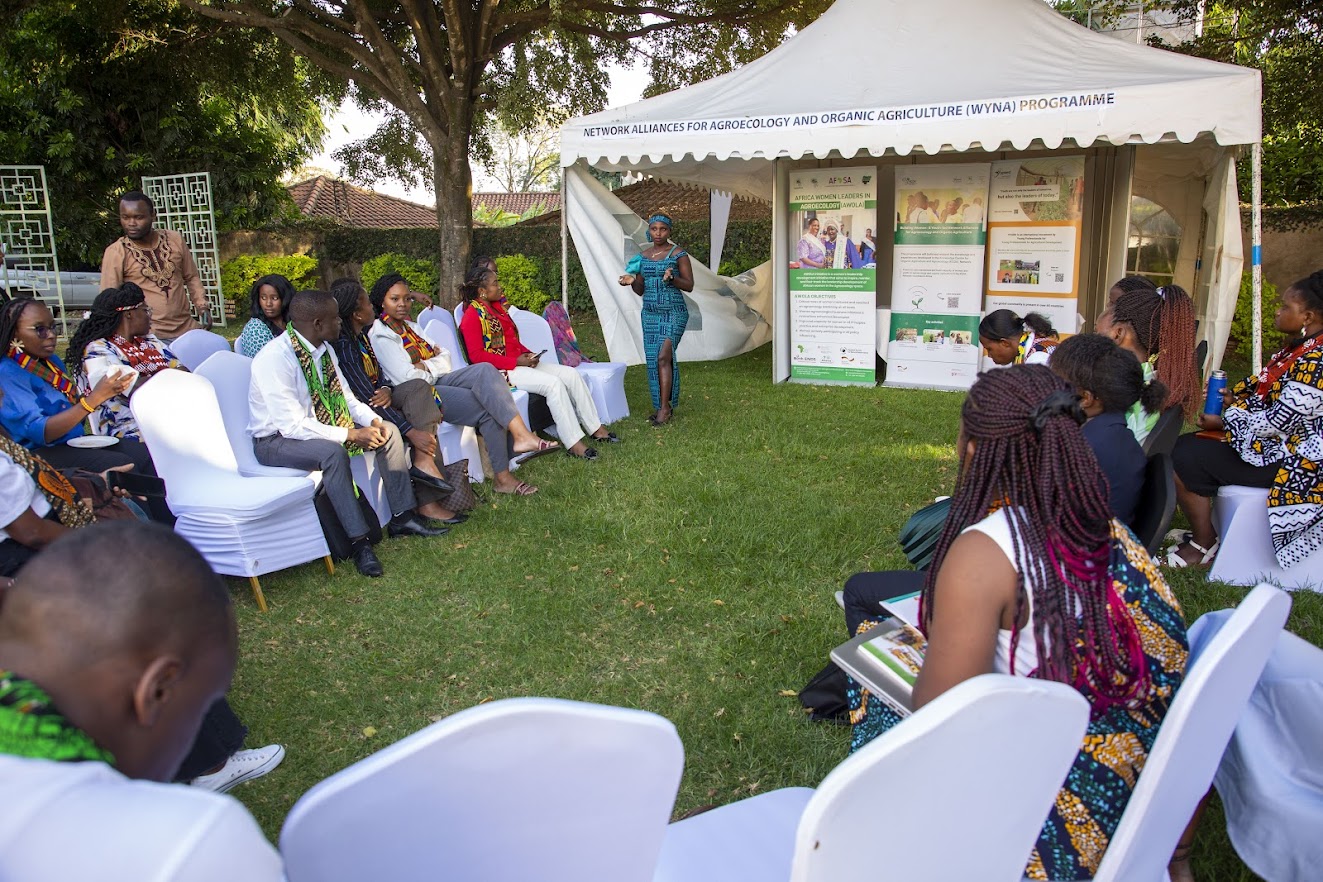
Ednah opened the dialogue with an engaging introduction to the WYNA Programme, emphasizing its mission to strengthen youth leadership in agroecological transformation. She highlighted how WYNA prepares young practitioners through mentorship, technical training, field exposure, and peer-learning platforms. Among the most impactful of these platforms are the WYNA Youth Cafés, deliberately designed safe and creative spaces where young people can connect, share their journeys, and collectively generate practical strategies that support their agroecological enterprises. With this foundation, the group transitioned into the day’s theme: the practical realities of product development, branding, market access, and certification.

One of the session’s standout moments came from WYNA fellow Harriet Amondi, who shared her journey in developing a community-based value addition project centered on peanut butter production. Through her presentation, Harriet illustrated the full process from sourcing raw materials ethically to maintaining quality, developing a strong brand identity, and overcoming the often intimidating hurdles of certification.
Her story resonated strongly with the group, sparking a deeper conversation about the day-to-day realities of running youth-led agroecology enterprises. Participants discussed the challenge of managing production costs, investing in packaging, building customer trust, and creating reliable market linkages. Harriet’s experience became a mirror through which many young entrepreneurs could see both the hardships and the innovative spirit required to thrive.
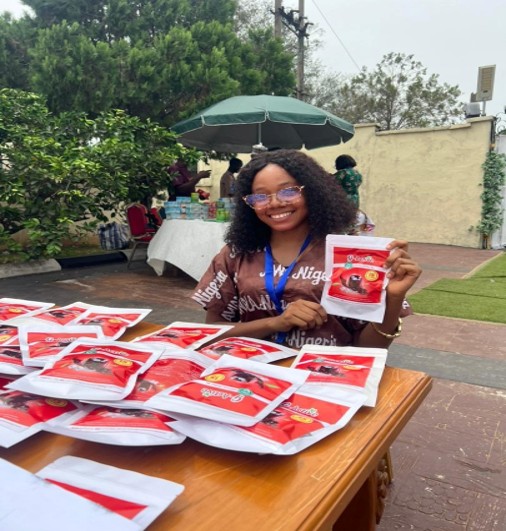
The Café brought together voices from several countries including Uganda, Kenya, Malawi, Tanzania and Nigeria, each offering unique insights into the opportunities and structural challenges facing young agripreneurs. Young people from Uganda highlighted the growth of small and medium-scale enterprises producing herbal teas, organic vegetables, peanut butter, and natural cosmetics. They noted rising demand for organic products but emphasized that certification and branding processes remain costly and complex, often confining young producers to informal markets.
Kenyan participants echoed these concerns while also showcasing innovations emerging from youth hubs in Nairobi, Kisumu, and Eldoret. They described how digital marketing, community-supported agriculture models, and strong peer networks have helped young agroecologists gain visibility, even though certification bodies remain centralized and costly for rural entrepreneurs. From Malawi came accounts of cooperative models that enable youth to pool resources for certification or equipment. While effective, these efforts are still constrained by limited financing and weak market infrastructure. Youth from Nigeria shared their experience navigating a highly competitive agrifood sector, where they are carving out niches in organic spices, horticulture, and climate-resilient crops. Yet they also face the recurring hurdle of expensive and bureaucratic certification systems, often relying instead on locally developed trust-based quality assurance methods.
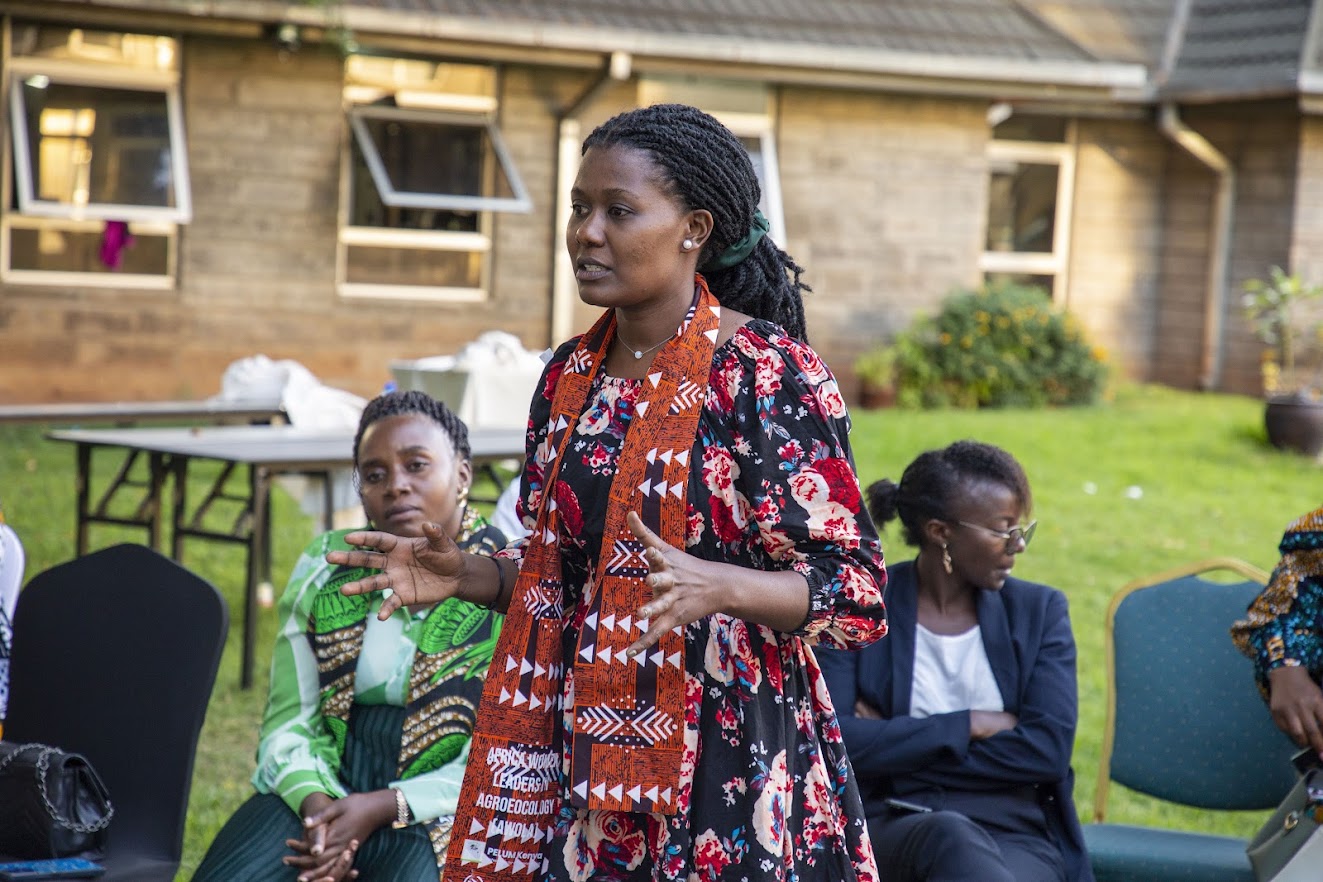
Certification emerged as a major challenge for many participants. Though the session did not use a formal checklist, the discussion revealed an array of strategies young agroecologists have devised. These include forming cooperatives to lower the cost of inspections, embracing Participatory Guarantee Systems (PGS) as more affordable alternatives, partnering with organic agriculture associations for technical mentorship, and relying on transparency and storytelling to earn customer trust where certification is unattainable. Ednah highlighted these innovations as an example of youth resilience, noting that WYNA continues to advocate for cross-country learning because certification pathways vary widely across the continent.
As the Café progressed, the conversation shifted toward one of the most rapidly evolving topics in global agriculture: carbon credits and carbon trading. Participants expressed both excitement and uncertainty about what carbon markets mean for African farmers, especially youth-led agroecology enterprises. Georgia, a youth leader from Malawi led the group in exploring how, in many parts of Africa, carbon markets are still poorly understood and unevenly implemented. Some farmers, particularly those working with NGOs or international partners, have begun benefiting from carbon offset schemes by adopting practices such as agroforestry, conservation agriculture, and regenerative soil management. These practices store carbon in soils and vegetation, generating credits that can be sold on voluntary or compliance markets. However, for many young farmers, the barriers remain steep. Carbon projects often require detailed documentation, satellite verification, long-term monitoring, and intermediaries who take a large share of the revenue. Participants questioned whether smallholder farmers would truly benefit from carbon trading or whether the emerging market would, once again, favour large corporations with the infrastructure to meet complex requirements.
The youth raised critical questions:
1. How can young agroecologists position themselves to access climate finance fairly?
2. What support structures, policy frameworks, farmer-friendly institutions, or accessible training modules are needed to ensure equity in the carbon economy?
3. What safeguarding policies that must be put in place to protect communities from exploitation?
Through these reflections, it became clear that carbon markets represent both an opportunity and a risk for the continent. Participants agreed that Africa needs stronger youth-focused awareness, capacity-building, and policy protections to ensure that carbon credits become a path toward empowerment rather than exclusion. Ednah affirmed that WYNA aims to strengthen its work in this area, helping young practitioners understand climate finance and participate safely and effectively.
For the entire hour-long session, the energy remained interactive and grounded in real-life experience. The diversity of perspectives from rural farmers to urban entrepreneurs demonstrated the transformative role of youth leadership in driving agroecological change across Africa. As the session drew to a close, Ednah commended the participants for their honesty, creativity, and commitment. She reaffirmed that the true strength of the WYNA Youth Cafés lies in such peer-to-peer exchanges, where young people feel safe to learn, share, challenge, and inspire one another across borders. In this spirit, the Youth Café not only strengthened knowledge but also strengthened solidarity proving once again that Africa’s agroecological future is already being shaped by the passion, resilience, and ingenuity of its youth.