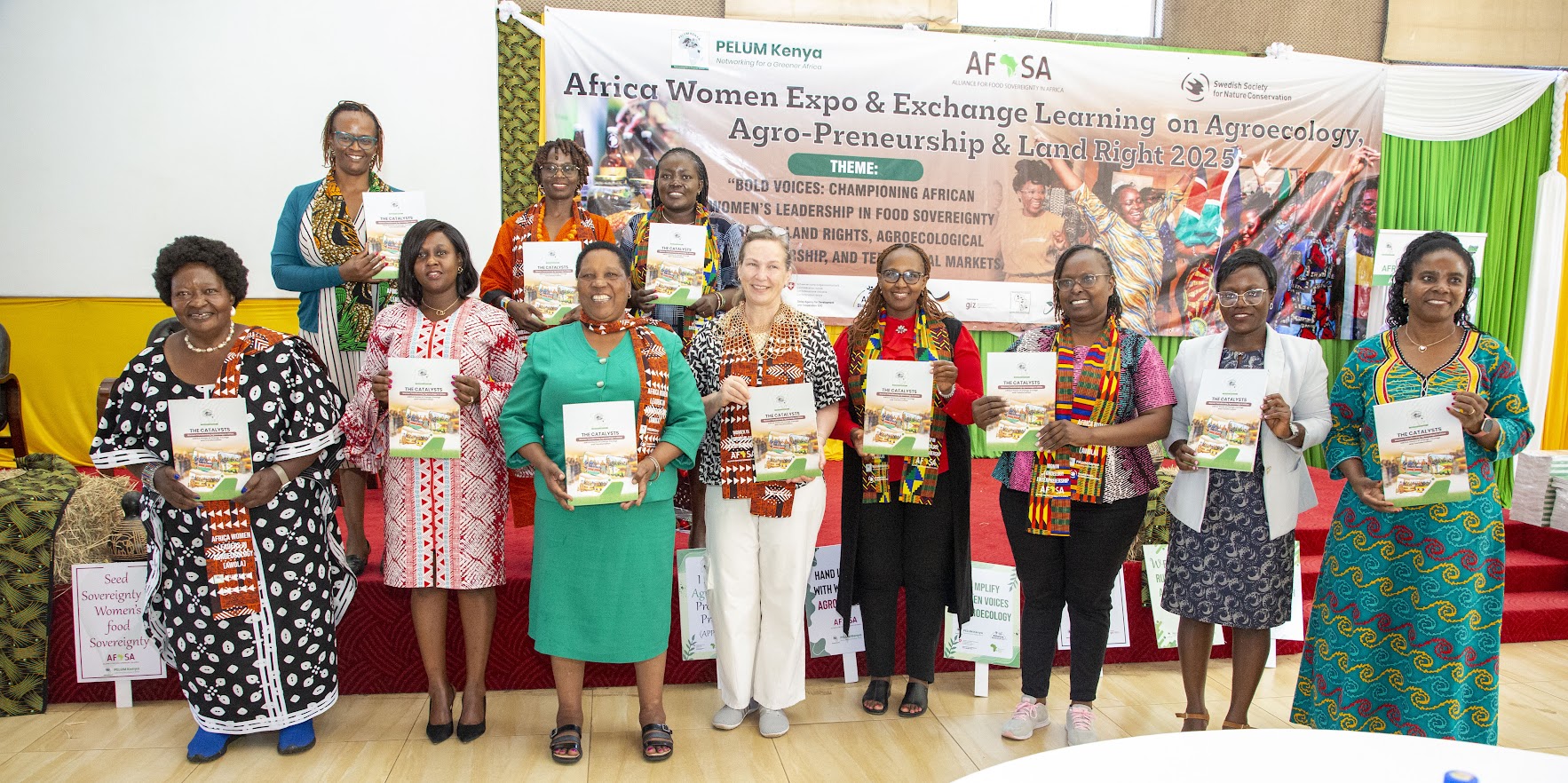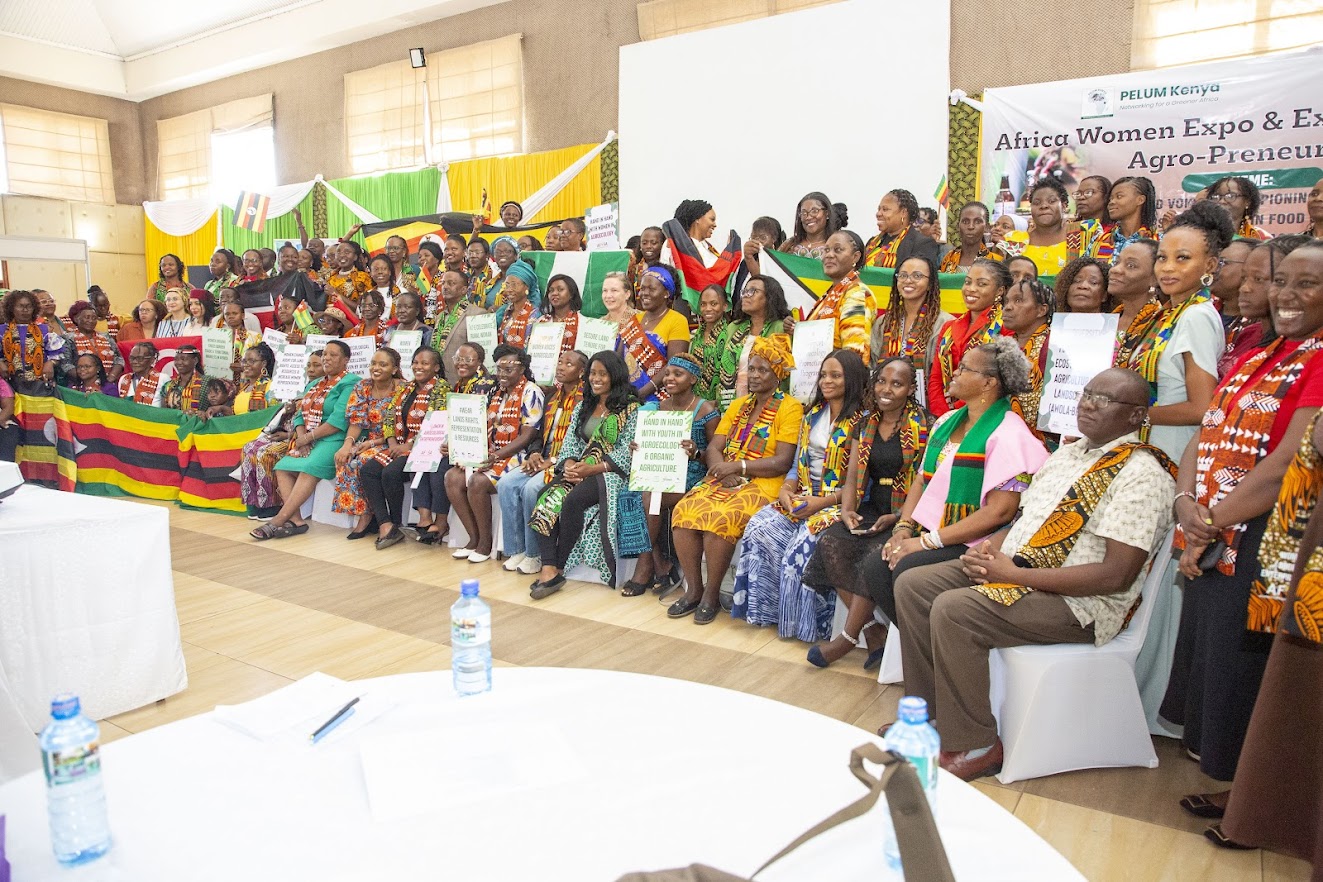

Nairobi, Kenya | 2–3 December 2025
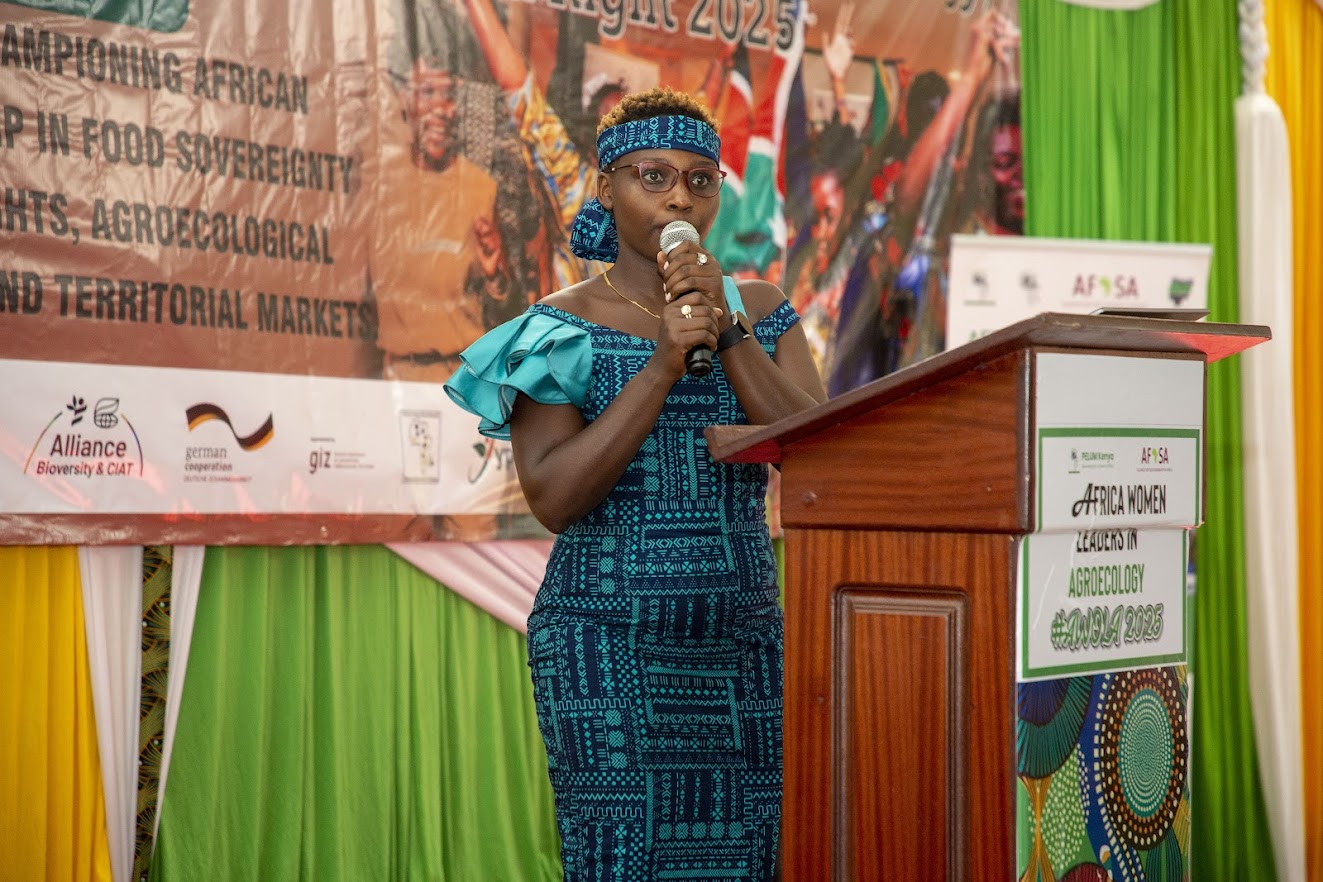
From the onset, YPARD and the Women & Youth-led Network Alliances for Agroecology (WYNA) played a central role in shaping discussions at the Expo. Ednah Kukundakwe, The Communications and Networking Coordinator at YPARD, gave opening remarks at the event with a compelling message on the indispensable role of young professionals and women in agroecology, food sovereignty, and community resilience. Her words framed the Expo as not just a gathering, but a collective call to reposition women and youth at the heart of Africa’s agricultural future.
The presence and participation of WYNA Community Solution Fellows, Harriet Amondi and Irene Gitau, brought youthful dynamism to the event. As emerging leaders, they contributed actively to exhibitions and learning exchanges. Their involvement illustrated the depth of youth innovation and the promise of the next generation of agroecology champions.
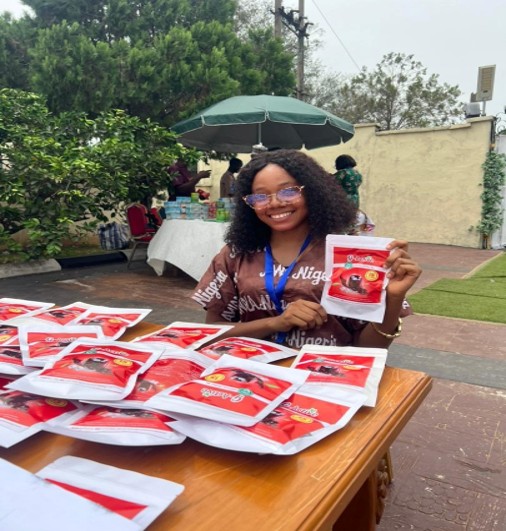
One of the standout moments of the Expo was the vibrant exhibition space, where Harriet Amondi showcased her thriving agroecological enterprise centred on groundnut value addition. Her work demonstrated how traditional, drought- and disease-resistant groundnut varieties can be conserved and commercialized while empowering rural women through contract farming arrangements. Harriet was awarded the 2025 “Youth Trailblazer in Agroecology” for her outstanding leadership and work promoting sustainable groundnut supply chains, youth-led agroecology and community-rooted food systems. Read more about Harriet's award here
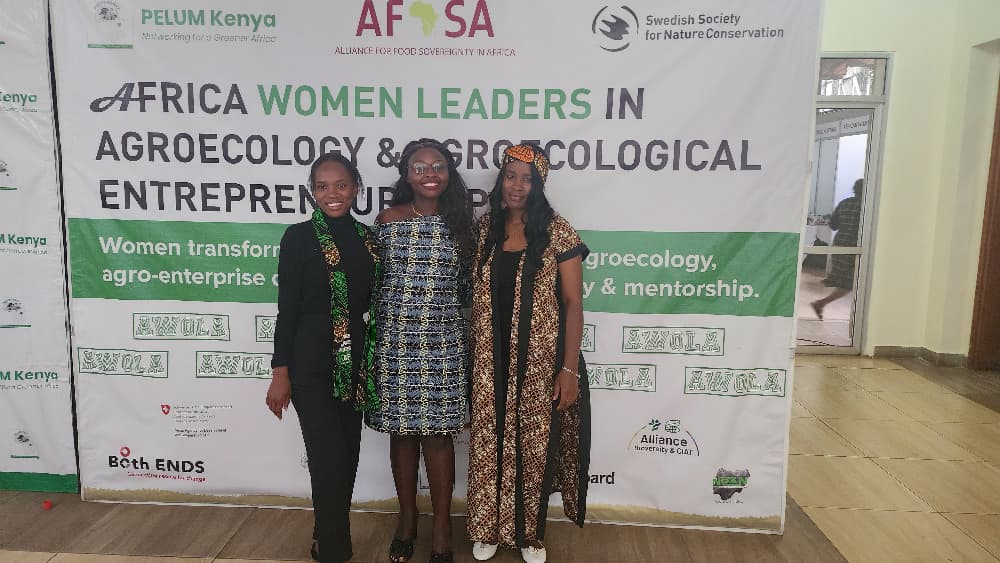
Through her enterprise, she has trained farmers in agroecological principles and post-harvest handling, and built short, organic, fair value chains that ensure wealth remains within local communities. Her booth drew in farmers, policymakers, investors, and development partners, offering an inspiring example of how youth-led agroecology can be both ecologically regenerative and economically sustainable.
Throughout the Expo, YPARD and WYNA delegates immersed themselves in a series of rich discussions exploring the realities and aspirations of women and youth in agroecology. The dialogues revealed both the systemic barriers that hinder progress such as land insecurity, limited access to finance, market exclusion, and policy invisibility, and the unwavering resilience of rural African women who continue to lead food systems innovation despite these challenges. Participants reflected deeply on issues of women’s land rights, Indigenous knowledge systems, territorial markets, climate resilience, and the strengthening of local food sovereignty movements.
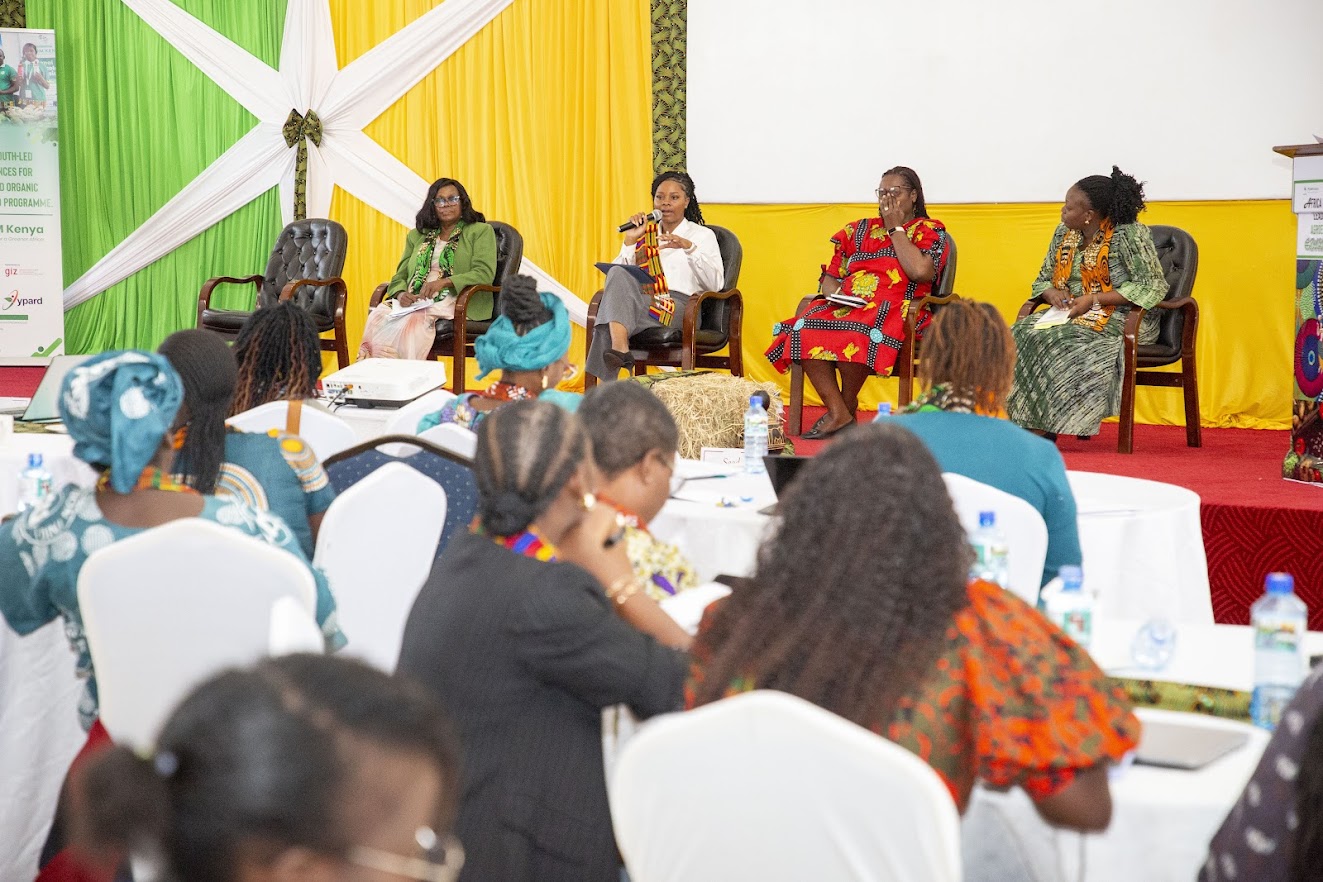
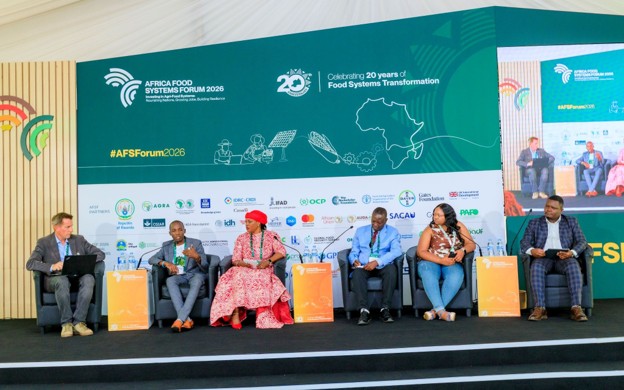
A major highlight was the flagship panel discussion, From Local Voices to Policy Tables, moderated by Josephine Akia the Country Coordinator of PELUM Uganda. The session focused on closing the gap between grassroots voices and national policymaking. Keynote speaker Monica Kapiriri unpacked the complexities of governance in agrifood systems, drawing attention to the uneven distribution of power, representation gaps, limited access to resources, and insufficient accountability mechanisms. She emphasized that the central challenge is not the concept of governance itself, but the way governance is practiced. Monica encouraged women to understand their value, know how public arenas operate, and build strong support networks that enable their effective participation. Her message underscored the need for balanced gender leadership and the cultivation of role models who inspire future generations.
Responding to the question of who should ensure women’s voices are heard, AWOLA Mentor Prossy Ayebare reflected on how cultural expectations often silence women, noting that the diversity of women’s experiences must inform policymaking. She argued that policies and programmes can only drive real transformation if they place women at the centre of design and implementation. According to Prossy, society as a whole, including families, communities, and institutions, must be held accountable for dismantling the inequalities that restrict women’s agency.
Exploring the question of where women may be falling short, Professor Odukoya Oluyinka Iyabode from AWOLA Nigeria highlighted the often-overlooked influence of cultural norms that shape women’s participation in agrifood systems. She noted that policy frameworks rarely acknowledge the realities of women’s daily responsibilities or the constraints they navigate. She also emphasized the barriers posed by weak cross-border trade and market policies. Professor Odukoya urged women to understand the policies governing agriculture and food systems so they can effectively hold leaders accountable. She encouraged them to lead by example, starting within their homes, and to uphold transparency and accountability in their communities.
When discussing the tools women can use to hold duty bearers accountable, speakers emphasized that women must first see themselves as leaders and active agents within food systems. Accountability, they noted, begins with raising children who understand integrity, cultivating food environments that promote health, and modelling ethical leadership in personal and professional spheres. Women were encouraged to be prepared, to serve with purpose, and to embrace leadership with confidence.
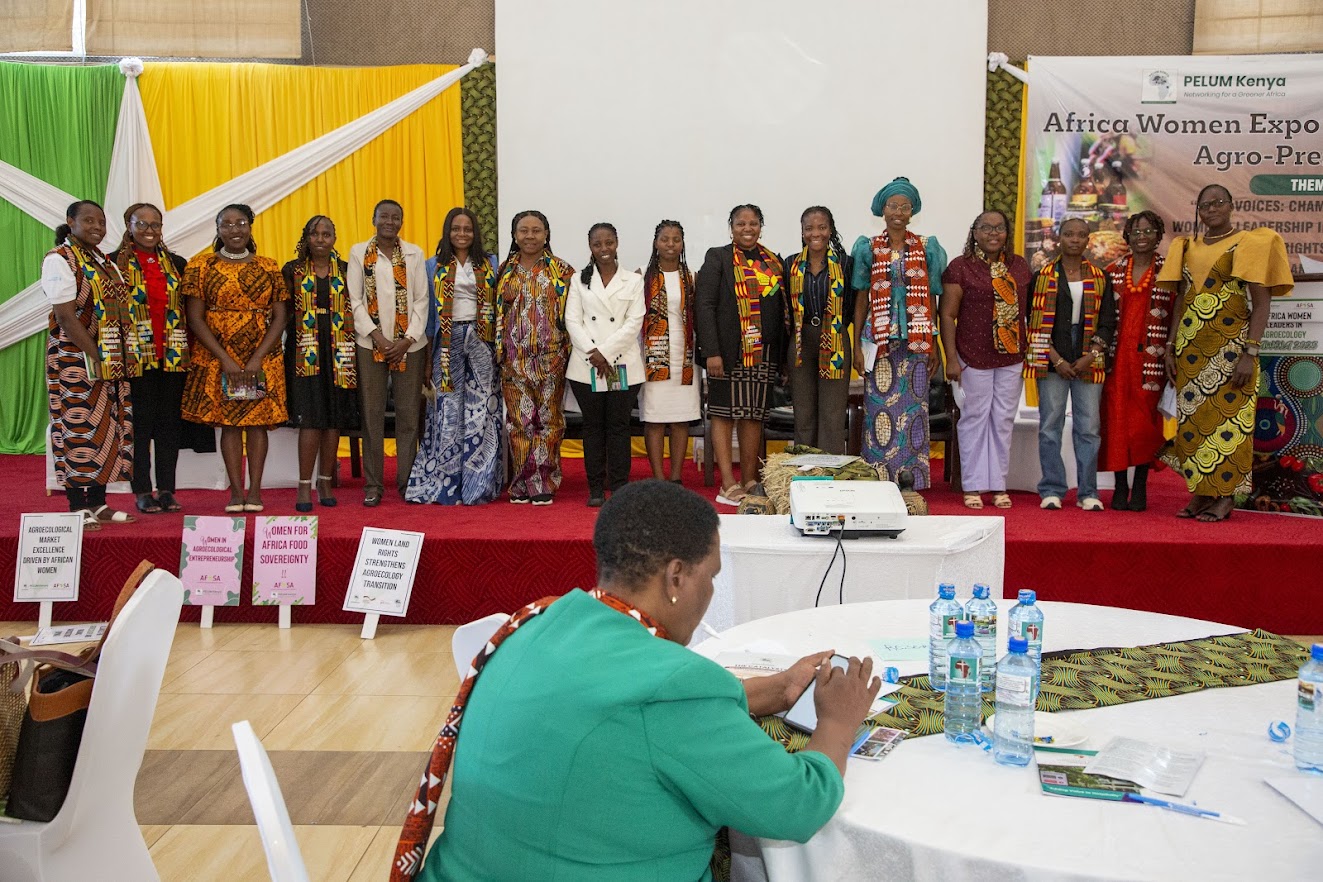
The Expo also celebrated the transformative power of mentorship through storytelling sessions featuring AWOLA mentees and mentors from Cohorts 1, 2, and 3. The reflections revealed the immense value of intergenerational learning and sisterhood in advancing women’s leadership. Mentees shared how the AWOLA programme had shaped their journeys helping them develop enterprises, grow their careers, nurture leadership skills, and build networks for resource mobilization.
Irene Nagudi, one of the mentees, spoke about how her mentor guided her through critical career transitions and encouraged her to remain patient and focused. Dr. Sarah, a senior mentor, shared insights from her extensive mentorship experience, emphasizing that women are collectively fighting for representation, rights, and resources. She stressed the importance of women supporting one another in order to sustain change in agrifood systems.
Cohort 3 mentees shared several inspiring experiences. Eveline Orishaba reflected on how valuable it was to work with her mentor, Grace Akatuha, who operates in the same enterprise of millet value addition. Their shared focus helped Eveline strengthen her branding, packaging, certification, and customer engagement. Another mentor-mentee pair, Joyce Adokorach and Gloria Nakiwala, showcased the power of an aligned relationship, with Gloria now running two successful enterprises and hosting learning visits on her agroecological farm. Mentor Edna Onyach expressed her passion for supporting young women, describing how working with her mentee, Ms. Lilian Kirwaa, had been mutually enriching. Lilian, who joined the programme to build her leadership capacity in a new role, has since grown significantly in business planning, public speaking, and career development. These mentorship stories captured the essence of the AWOLA movement rooted in sisterhood, solidarity, and a commitment to shared growth and transformation.
Inspired by the solidarity and clarity of purpose demonstrated throughout AWOLA Expo 2025, YPARD and WYNA renewed their commitment to advancing women’s and youth leadership in agroecology across Africa. They pledged to strengthen support for women- and youth-led enterprises, advocate more vigorously for legally recognized land rights for women, expand mentorship initiatives across countries, push for gender-responsive agroecology policies, and reinforce territorial markets that reward ecological farming while boosting rural economies.