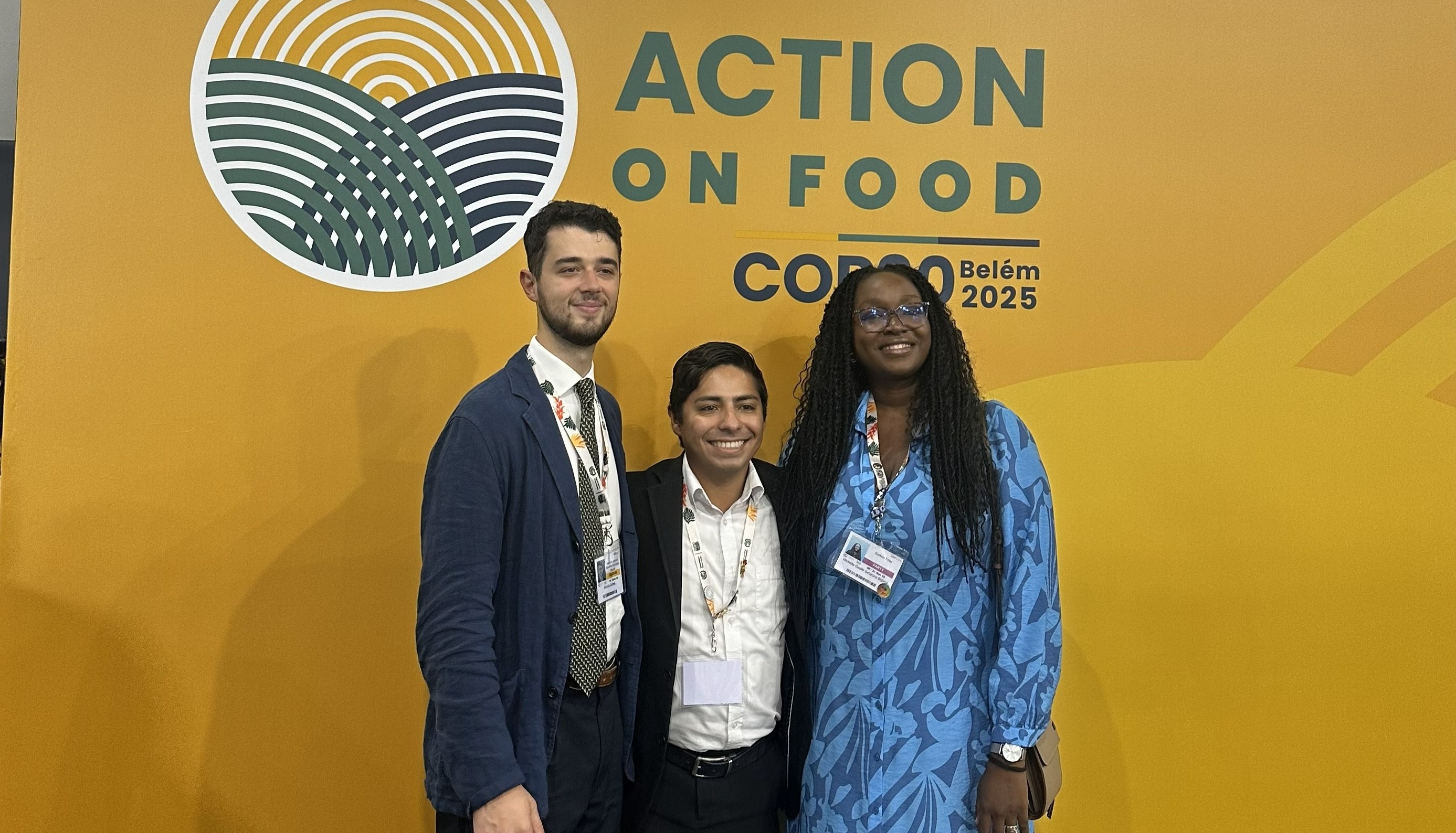

Backed by a participatory global process and a new COP30 Position Paper, the YPARD delegation coordinated and co-led a series of high-level events in the Blue Zone, while also speaking in partner sessions such as the FAST Partnership, CASH Coalition and Rockefeller Foundation events. The engagement of YPARD and several other key youth organizations at COP30 positioned youth as co-decision makers at the conference, and not merely limited to beneficiaries.
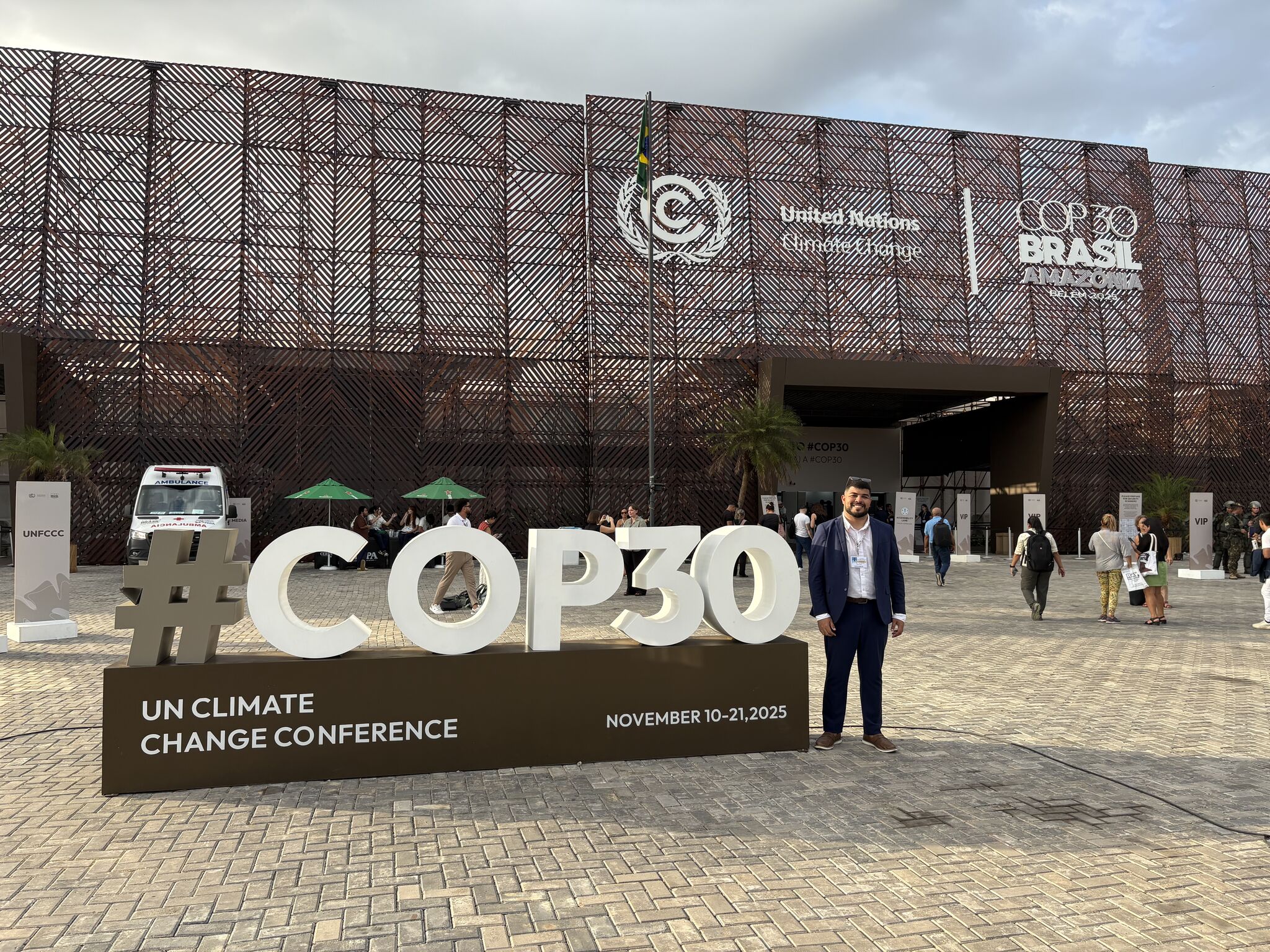
Ahead of COP30, YPARD combined its own youth-led consultation process with strategic coalition-building to arrive in Belém with a clear and aligned agenda on food, land and climate. This work fed into our COP30 Position Paper, which calls for formal roles for youth in co-decision-making, dedicated and accessible climate finance windows for youth-led initiatives, a just transition for rural youth, secure land and resource rights, and gender-responsive climate action that values youth and Indigenous knowledge. Just days before COP30, YPARD also joined WWF and other key partners like AE Coalition, WRF, BKMC, the Rockefeller Foundation, UNEP, Biovision, FAO, CGIAR and more in Santos, Brazil, for the high-level “Bridging the Gaps” pre-COP convening on food and agriculture. This strategy space brought together around 100 influential voices from governments, science, finance, youth, Indigenous peoples, UN agencies, farmers, civil society and philanthropy to build coherence across climate, nature, agriculture and food systems and to shape shared messages for Belém.
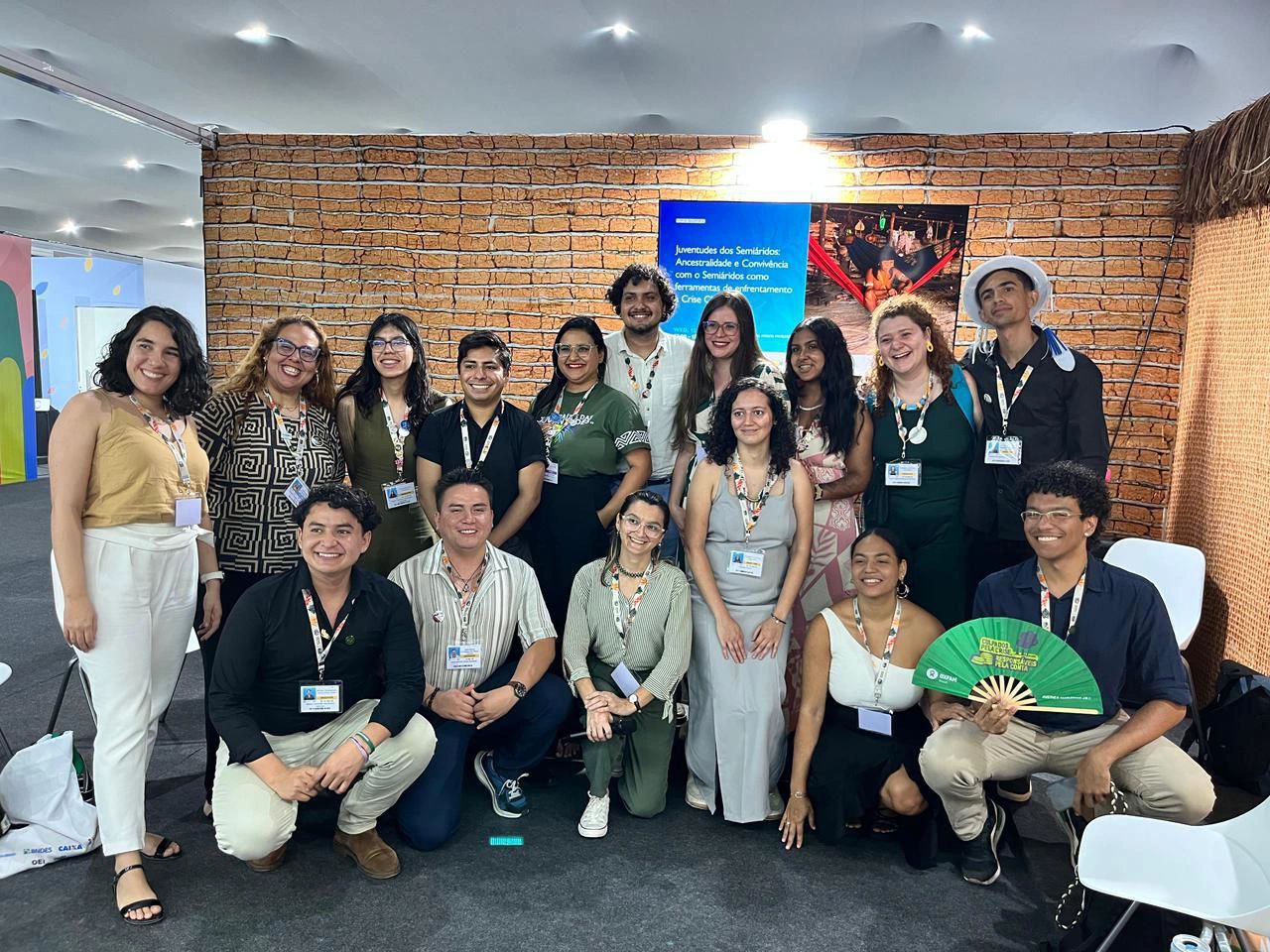
Together with these partners, YPARD helped carry forward a set of actionable messages from Santos to Belém: putting food systems at the heart of climate and nature action; elevating agroecology and family farming as core solutions; transforming finance so it is fair, accessible and aligned with nature-positive agriculture; building governance that is coherent, continuous and inclusive of local actors, youth and Indigenous communities; and embedding people, data, accountability and true-cost approaches into national and global frameworks. These pre-COP outcomes complemented our own Position Paper and meant that our interventions on land, adaptation, finance and just rural transitions were clearly rooted in both a youth mandate and a broader coalition pushing to make integrated, food-centred climate action a core part of the COP30 agenda.
Throughout COP30, these asks anchored YPARD’s interventions in all its engagements, from side events and ad hoc sessions to speaking opportunities and bilateral meetings. Members of our on-the-ground team spoke in partner events bringing youth perspectives into discussions on climate-resilient agriculture, finance and just transitions in food systems thus keeping rural youth, small-scale farmers, women and Indigenous communities visible across different tracks of the negotiations.
YPARD actively co-led and hosted several high-level side sessions in different key pavilions throughout COP30. YPARDians helped set the tone for the Youth and Farmers Co-Host stream within the Action on Food Hub (AoFH) by co-leading and moderating its Opening Plenary, “Voices from the Land.” The session centred the lived realities of young farmers and rural communities, weaving together stories of climate disruption, socio-economic pressures, and community-led, nature-positive solutions. It framed food, climate and nature as one interconnected agenda and highlighted the often invisible leadership of youth and women in transforming local food systems. The plenary’s big contribution: it grounded the AoFH programme in real territories and real people, pushing the Hub to keep farmers and youth at the heart of conversations on finance and governance.

In the Children and Youth Pavilion, the team co-organised and moderated the session “Feeding the Future: Youth Perspectives on Agriculture, Climate, and COP30.” The panel brought together voices from IAAS, IFSA, ProVeg International and YPARD - with Sebastian Pedraza, Chair of YPARD SC and LAC Regional Coordinator - to explore how young people are reshaping agriculture and food systems in the face of the climate crisis. Key outcomes included spotlighting concrete youth-led initiatives in climate-resilient agriculture and food systems transformation; identifying policy and research entry points to strengthen youth engagement in food systems governance; strengthening collaboration between major global youth networks in agriculture and food. The session also worked towards a shared youth takeaway message on why agriculture must be treated as core climate policy at COP30 – helping consolidate a common line across youth constituencies.
An additional YPARD-led side event, “Rooted or Uprooted? Agrarian Youth, Climate Mobility and Resilient Rural Futures,” was held in the AgriZone area and tackled an issue that remains largely invisible in climate negotiations: climate-induced migration among rural and agrarian youth. The event was co-organized by YPARD’s Policy Working Group Focal Points Michelle Bidima and Jane Otieno. It shared evidence on how droughts, land degradation and volatile seasons are pushing young people off the land in regions from Turkana to parts of Ghana; highlighted youth-led solutions in agroecology, circular farming and grassroots climate-smart agriculture networks; advanced recommendations on youth-friendly climate finance, skills pathways and land and soil health as tools to reduce forced displacement while supporting safe, voluntary mobility. By linking climate mobility to just transition and land governance, the session helped broaden the understanding of “loss and damage” beyond infrastructure to include uprooted rural lives and futures.
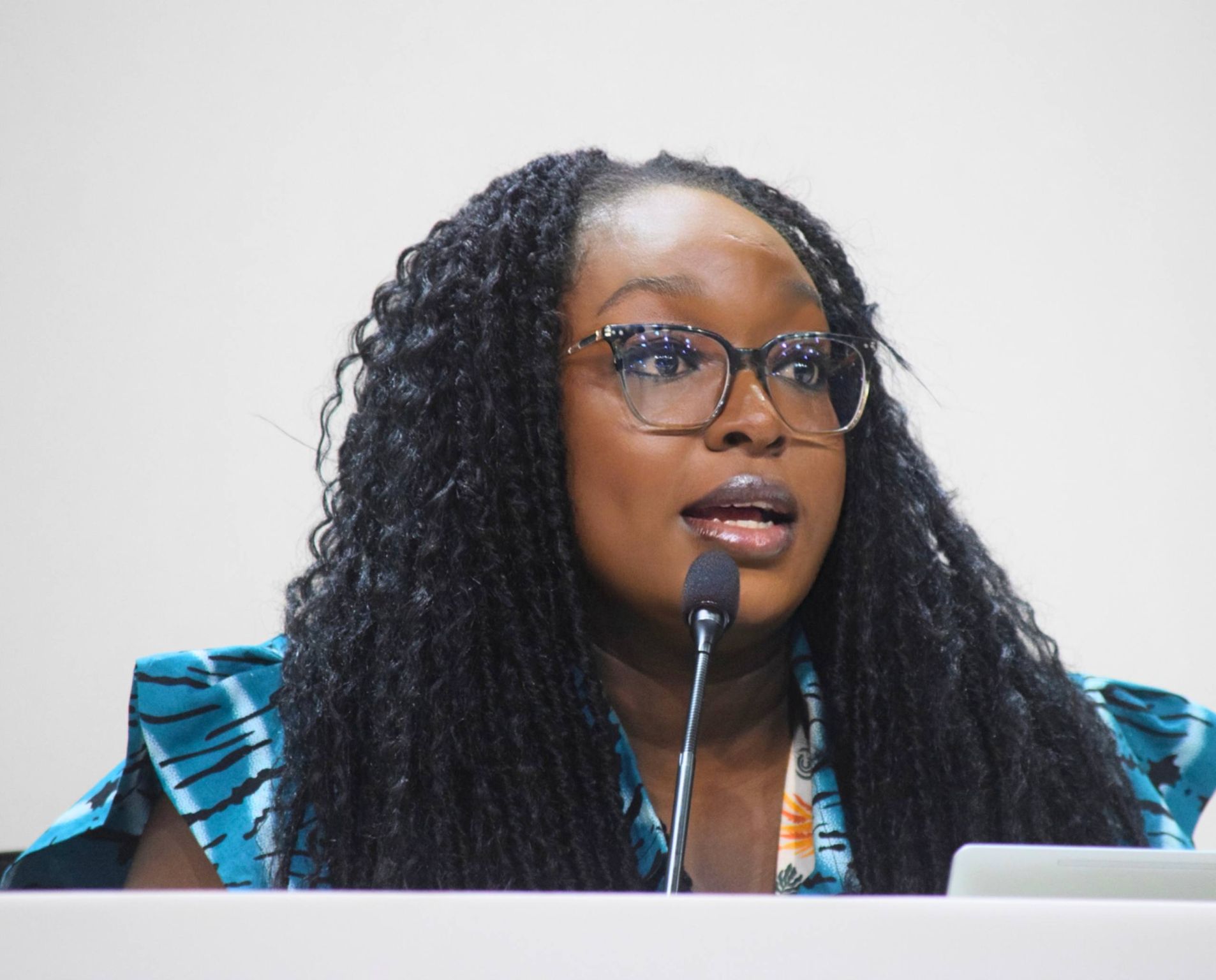
YPARD was also invited by key partners to provide youth voices and testimonies to their sessions throughout the two weeks of COP. YPARDian Ziadah Nakabiri, among others, was a panelist in the Children and Youth Pavilion during the session “Youth led demands for climate justice and accountability,” organized by Girls for Climate Action while also moderating another session titled “Inclusive Transitions: Gender, Climate Policy and the Road to a Just Future,” in the Uganda pavilion. The event sought to promote gender responsive climate action and address barriers such as limited access to finance, unpaid care work and safety.
Rather than a sudden breakthrough, COP30 in Belém was a culmination of several years of YPARD’s youth-led advocacy within the UNFCCC space and more. It brought together the lessons, relationships and priorities we have been building across past COPs and intersessional meetings into a more coherent, visible agenda on food, land and climate.
Looking ahead from COP30, YPARD’s task is to build on this accumulated work. To keep widening spaces for rural youth in UNFCCC processes, to translate our asks into concrete implementation, and to turn the alliances strengthened in Belém into long-term collaboration on the ground. COP30 showed that when rural youth are trusted as rights-holders and co-decision-makers, the conversation on climate, land and food systems becomes more honest, more ambitious and more grounded in reality. For YPARD, this is not the end of a moment – it’s the start of a stronger, more coordinated youth presence on the road from Belém to implementation.