
2025 was marked by unprecedented instability for the development sector. Nonetheless, throughout the development agenda, youth continues to be a cross-cutting theme, and YPARD’s focus on young professionals in the agrifood systems continues to be highly relevant. From advocacy at the global level, or empowering communities to promote agroecology on the ground, the year brought with it numerous achievements as well as significant learnings for YPARD.
In spite of sustained funding cuts, wars and humanitarian crises, ecological disasters and alike, young people and communities on the ground keep motivating us with their resilience and determination to prevent and mitigate environmental and man-made disasters.
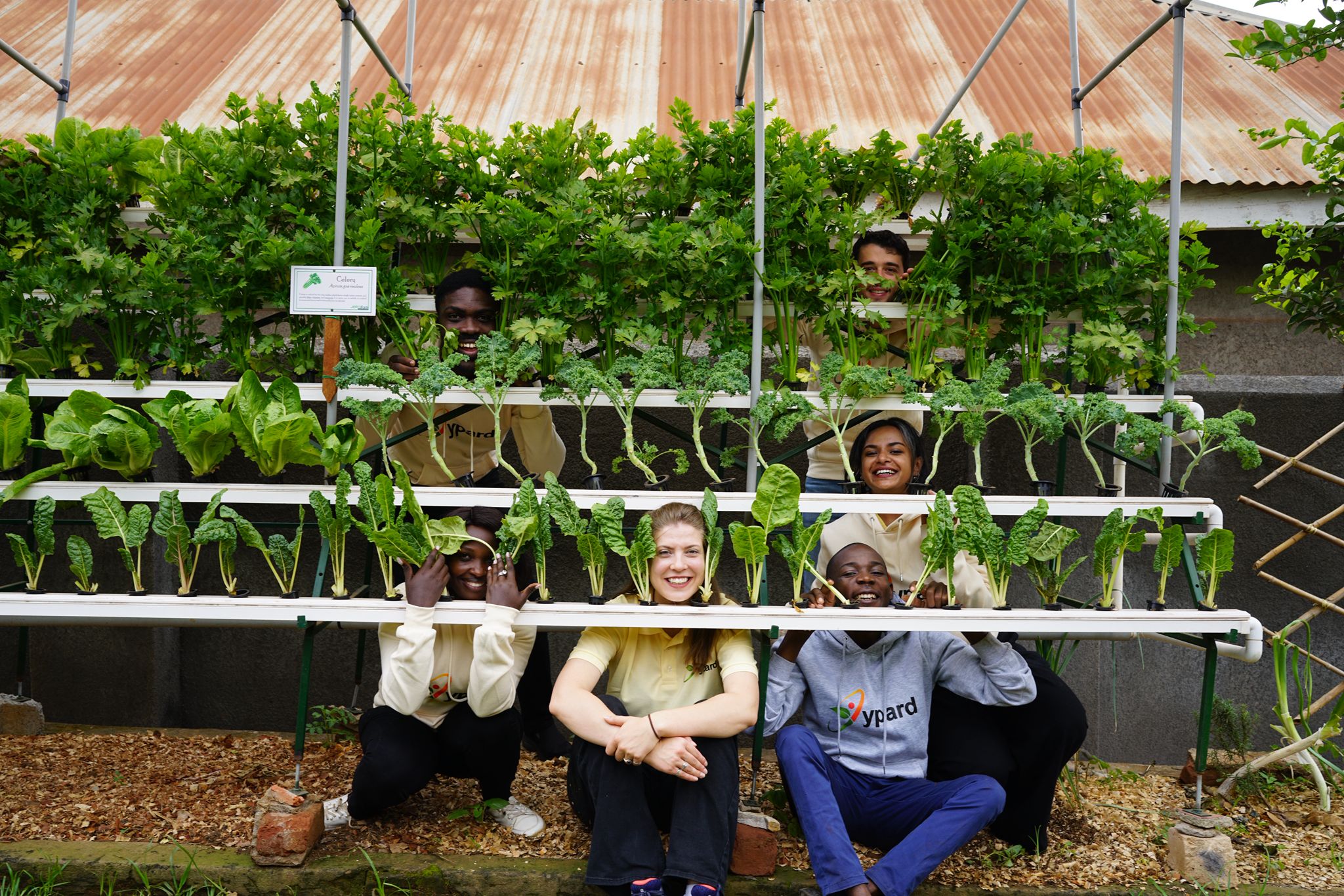
A collaborative effort between the Global Coordinating Unit (GCU), Regional Teams, Country Chapters, and Steering Committee (SC), this document lays down the opportunities and past learnings for the network, with detailed descriptions of our thematic focusses and sustainable growth plans for the next five years. The Strategic Plan will be instrumental in shaping the path forward for our members and the global community.
Developing the Strategic Plan involved an in-depth Global Member Survey and several Member Consultations with YPARD staff, members, and external partners over 2024 and 2025. Key reference documents like the 2021-2025 Joint Operational Plan (JOP) developed in collaboration with the Global Forum for Rural Advisory Services (GFRAS), and the 2024 External Review carried out by Berner Fachhochschule Hochschule für Agrar-, Forst- und Lebensmittelwissenschaften (BFL-HAFL) further supported the development of this document. We thank everyone who was involved in the creation of this key document and are highly motivated to publish and implement this in the new year.
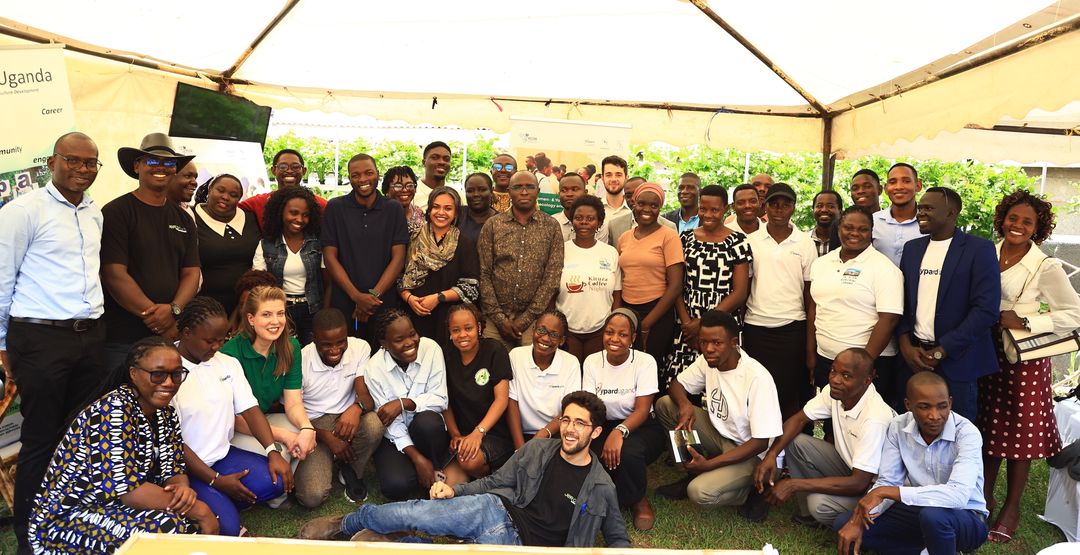
People make up our network, and this year we added two new members to the GCU and our first intern of the team. Both are long term YPARD Uganda team members. Ajuna Tadeo joined us as Programme Coordinator and Ednah Kukundakwe as the Communications & Networking Coordinator. Growing the GCU team to include grassroots leaders enriched us greatly. We also welcomed Evance Ochola as an intern in the GCU, who joined us after his participation in the Menu for Change Challenge as well as established several new YPARD Chapters and Regional Teams.
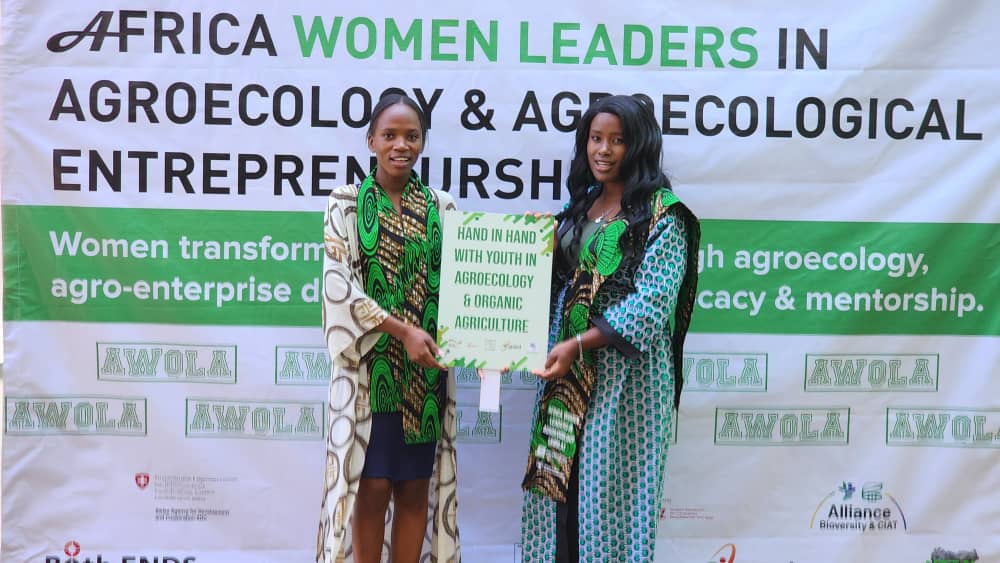
YPARD’s experience with initiatives such as the WYNA Programme and the CEA FIRST reinforced our conviction that meaningful transformation in food and agricultural systems must be inclusive, participatory, and community-led. Through WYNA, we witnessed firsthand that women and youth, when equipped with mentorship, knowledge exchange opportunities, and platforms for visibility, emerge as confident leaders in promoting agroecology and organic agriculture. Activities, such as national youth cafés, engagements in regional conferences and organic week events, and the journeys of WYNA Community Solution Fellows showed the value of creating spaces where young professionals can co-create solutions and assert their voices in shaping resilient food systems.
Similarly, the development of the CEA FIRST Gender & Youth Strategy reminded us that inclusion cannot be assumed; it must be intentionally designed. By engaging in structured consultations, evidence reviews, and systems analysis, we strengthened our understanding of the ability that institutional frameworks have to either enable or constrain the participation of young people and women in research and agribusiness. Projects like the GP-SAEP and RAENS re-confirmed that peer-to-peer learning spaces are key in promoting agroecology and sustainable farming practices.

At the same time, initiatives like the Menu for Change Challenge demonstrated the tremendous creativity, innovation, and determination young people bring when we are empowered to shape the future of food. From regenerative agriculture solutions to sustainable food product development, supporting youth agripreneurship reaffirmed the belief that the next generation already holds many of the answers to today’s food systems challenges; we simply require platforms that trust in our capacity. The Challenge’s emphasis on networking, mentorship, skills-building, and long-term growth aligns closely with YPARD’s mission to cultivate young professionals not only equipped with technical knowledge but also confident in our ability to influence systems.
The importance of including youth as a key stakeholder in development of projects like the GEF Food Systems Integrated Program (FS IP) was solidified through our role with the project as the main youth partner. Our engagement in the FSIP demonstrated that deliberate strategies and frameworks for youth integration need to be further developed, and we are motivated to work with the GEF, FAO, and IFAD to co-develop them.
The aim was to strengthen our role as co-shapers of climate solutions rather than simply consulted stakeholders. Through our global Policy Working Group, we held consultations and capacity building events, and worked on participatory position papers (YOUNGO Global Youth Statement and YPARD COP30 Position Paper) to ensure that these key groups have a platform to share their learnings and also learn more about the often exclusive spaces of a conference like COP30.
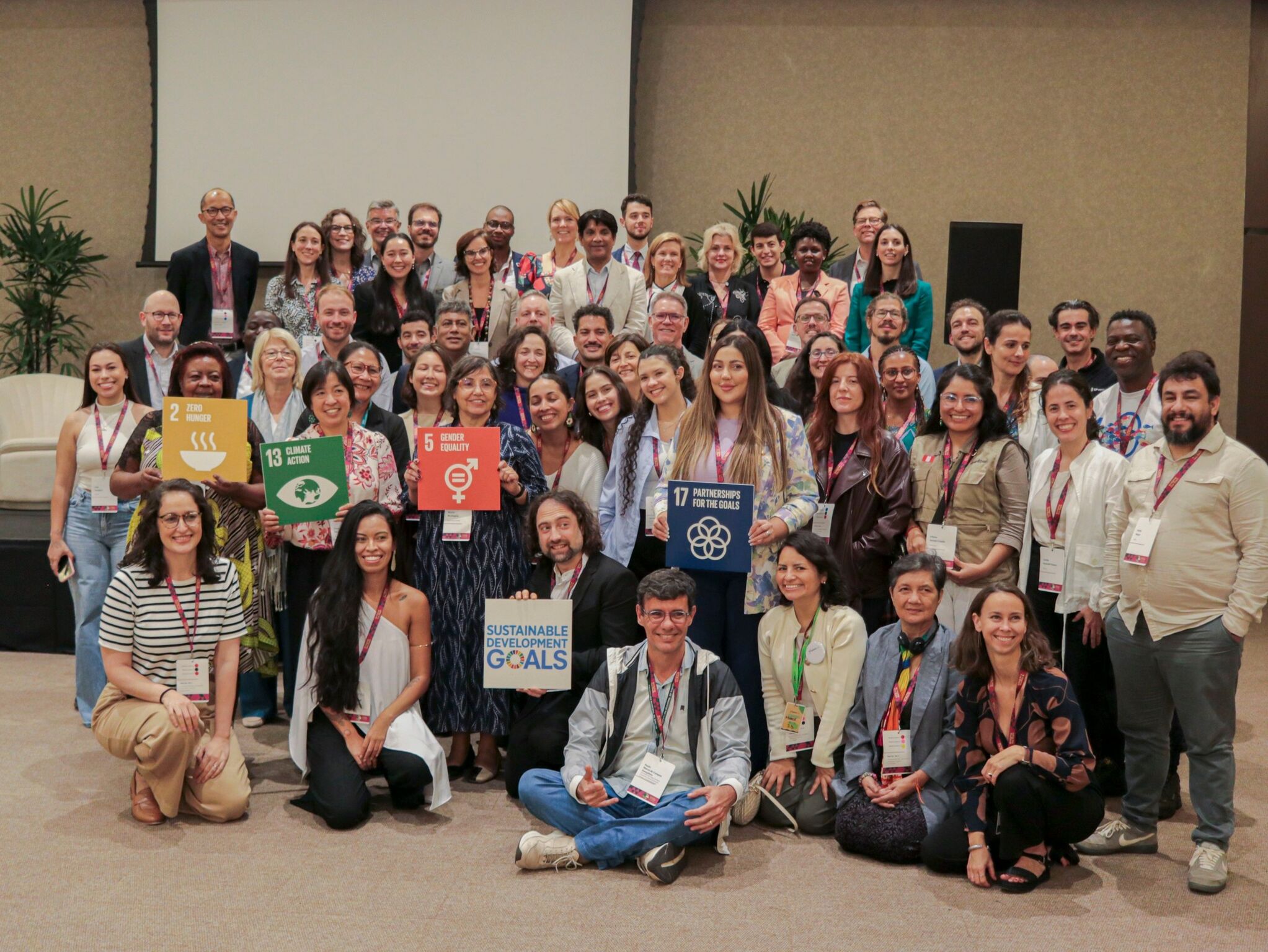
In July, YPARD LAC responded to the need of more young people in Latin America and the Caribbean to be involved in the discussions around the UNFCCC COP30, as the majority of them could not access the space physically. They co-organized the Climate Action and Negotiation School for Youth towards COP30 along with several key partners, like the Kofi Annan Foundation, the Italian Cooperation, GIZ, International Land Coalition, IICA, and others. This capacity building and training initiative brought together young professionals from over 15 countries in Latin America and the Caribbean for discussions and reflections. The goal? Support a strong youth representation at COP. In the days leading up to COP30 in Brazil, YPARD joined WWF, AE Coalition, World Rural Forum, Ban Ki Moon Center, the Rockefeller Foundation, UNEP, Biovision, FAO, CGIAR and more in Santos, Brazil, for the high-level event titled Bridging the Gaps, a pre-COP convening on food and agriculture. With around 100 influential voices from governments, science, finance, youth, Indigenous peoples, UN agencies, farmers, civil society and philanthropy taking part, this conference built coherence across climate, nature, agriculture and food systems and shaped shared messages in Belém.
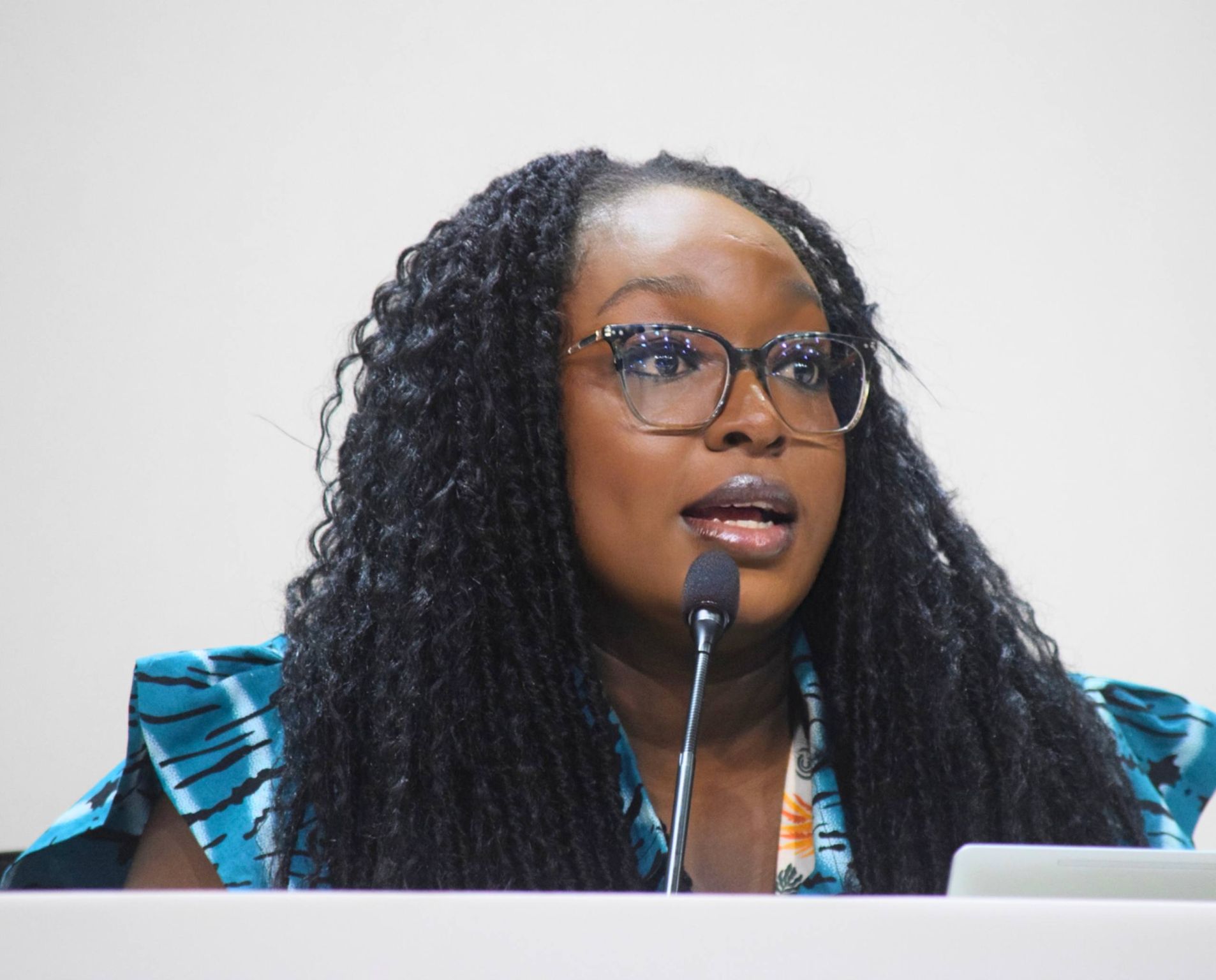
YPARD’s engagement in these spaces brought more young people into the critical discussions and negotiations held at the increasingly exclusive COP. In Belem, YPARD firmly echoed the message that rural youth, farmers, and food systems must be at the centre of negotiations in order to carry out just and resilient climate actions. Engagement as a Youth co-host at the Action on Food Hub and participation at high level events helped us to bring home this message.
Beyond the Rios, we have been strongly engaging in the Major Group for Children & Youth as SDG2 Co-Focal Point along with the Youth in Agroecology and Restoration (YARN). In March 2025, the MGCY Food and Agriculture : Constituencies Collective on Food Systems Advocacy was formed to unite youth constituencies in different fora working on agri-food systems topics, and serves as a crucial platform for exchange between youth constituencies to align on policy positions but also approaches to policy fora. The lack of meaningful youth engagement in the consultative processes leading up to and during the UNFSS+4 processes was deliberated in this Collective. As a result, YPARD delivered remarks on these concerns at a webinar at the Civil Society and Indigenous Persons Mechanism (CSIPM) of the Committee on World Food Security.
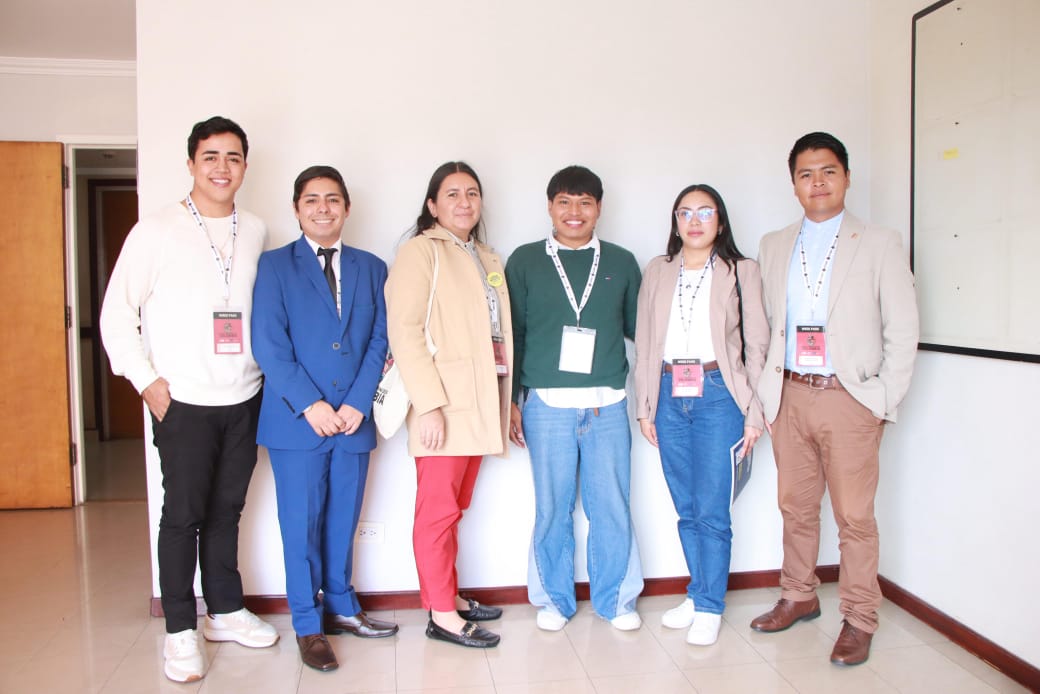
Promotion of land rights and the role of youth in climate justice was also a key focus of YPARD this year. This was exemplified by the engagement of YPARD LAC and Country Chapters of Colombia, Brazil, and Mexico at the Global Land Forum for Youth (GLFY) and the Global Land Forum (GLF) held in Ocaña and Bogotá (Colombia) in June. These fora were spaces where dialogues on these important issues were held, with YPARD members contributing actively to the discussions.
Other key regional and national level policy engagements from the year include Asia-Pacific Regional Coordinator Xiaoshang Deng at the HLPF Forum in New York presenting the HLPF YPARD Policy Position, our participation at the WFF in Rome including co-organizing a high level event with remarks from H.E. Ban-ki-Moon, an advocacy workshop by YPARD Zambia with FAO Zambia and ICLEI Africa, engagement at the Africa Climate Resilience Summit by our Africa Regional Coordinator Kofi Acquaye, participation in the National Consultation on Nigeria’s Nationally Determined Contributions (NDC 3.0) by Ojuoluwa Oluwatobiloba of YPARD Nigeria, and YPARD Tanzania’s Selestine Focus participating in a high-impact policy dialogue on the 2025/26 Agriculture Budget of Tanzania.
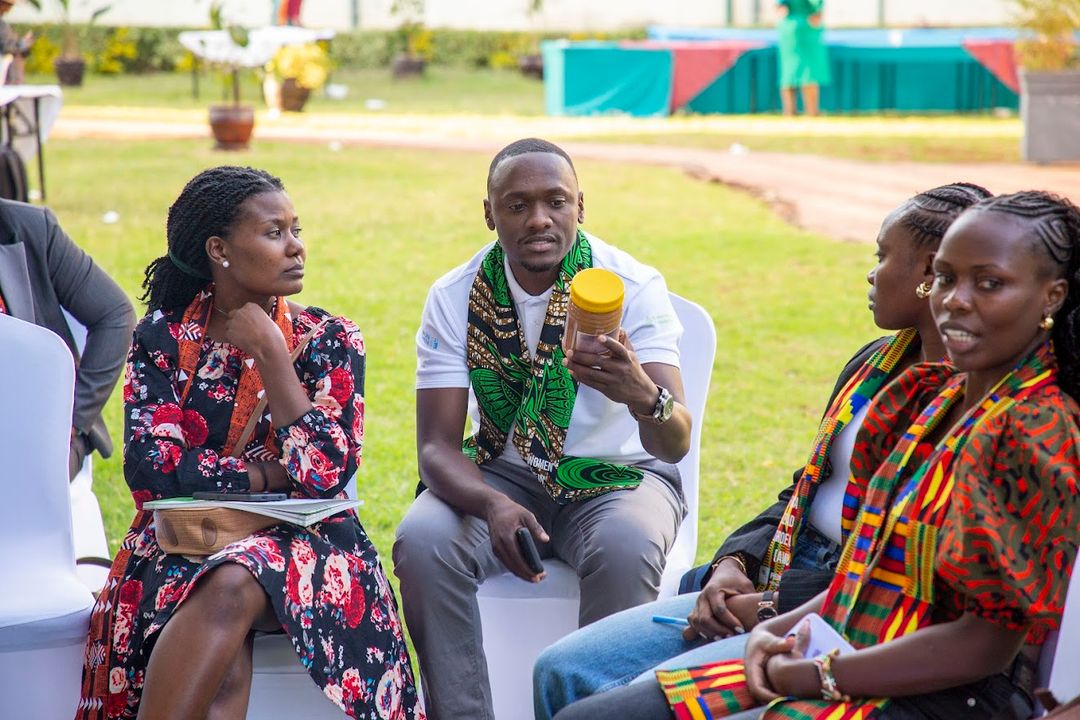
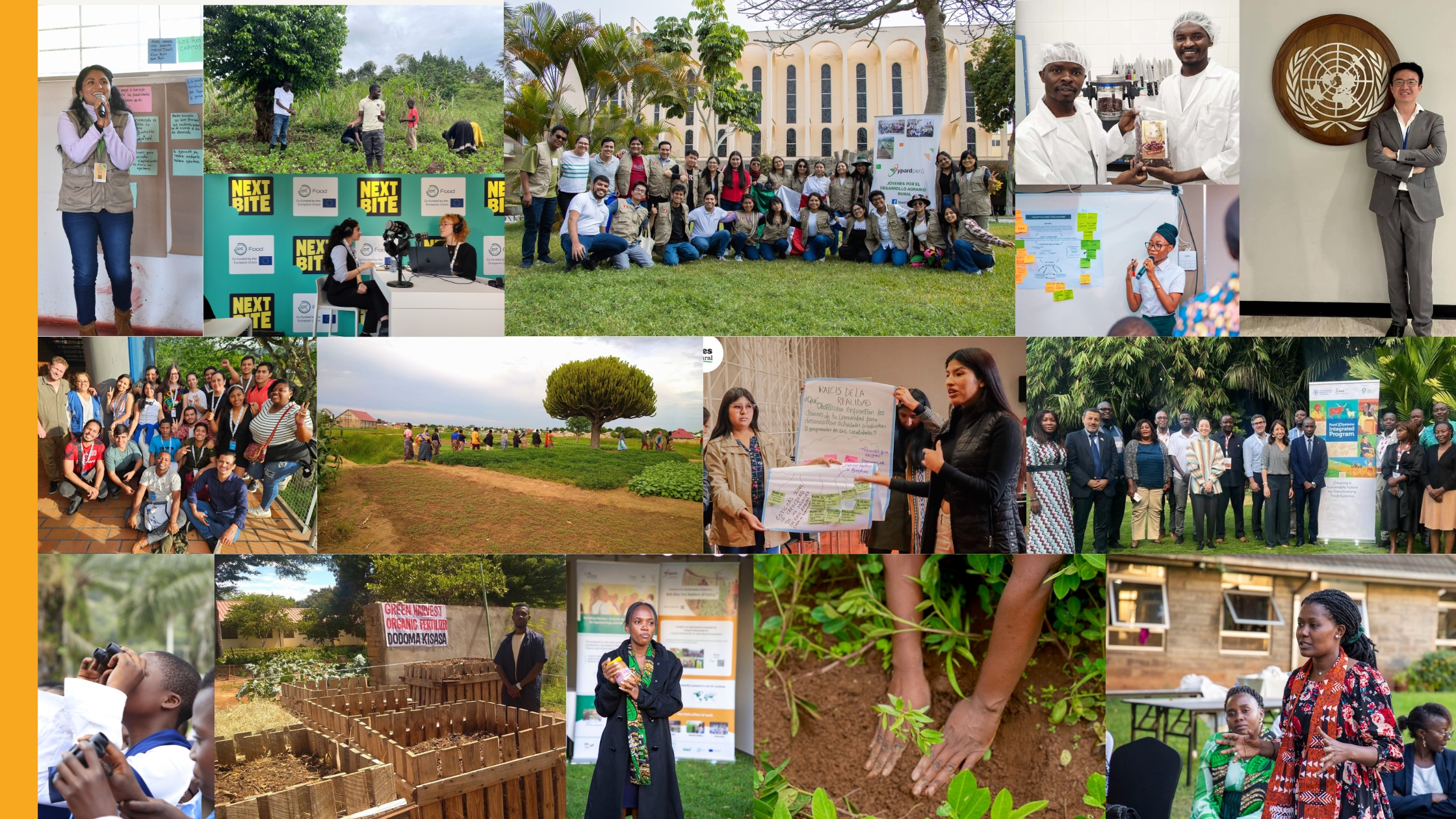
Throughout the year, YPARD chapters continued to demonstrate how young people are shaping agrifood systems transformation from the ground up through innovative, community-centered action. In Africa, youth in countries such as Uganda, Kenya, Tanzania, Nigeria, Benin, Cameroon, Zambia, and Malawi, are engaging directly with farmers, schools, and local institutions to strengthen agroecology, expand livelihood opportunities, and promote climate-resilient practices.
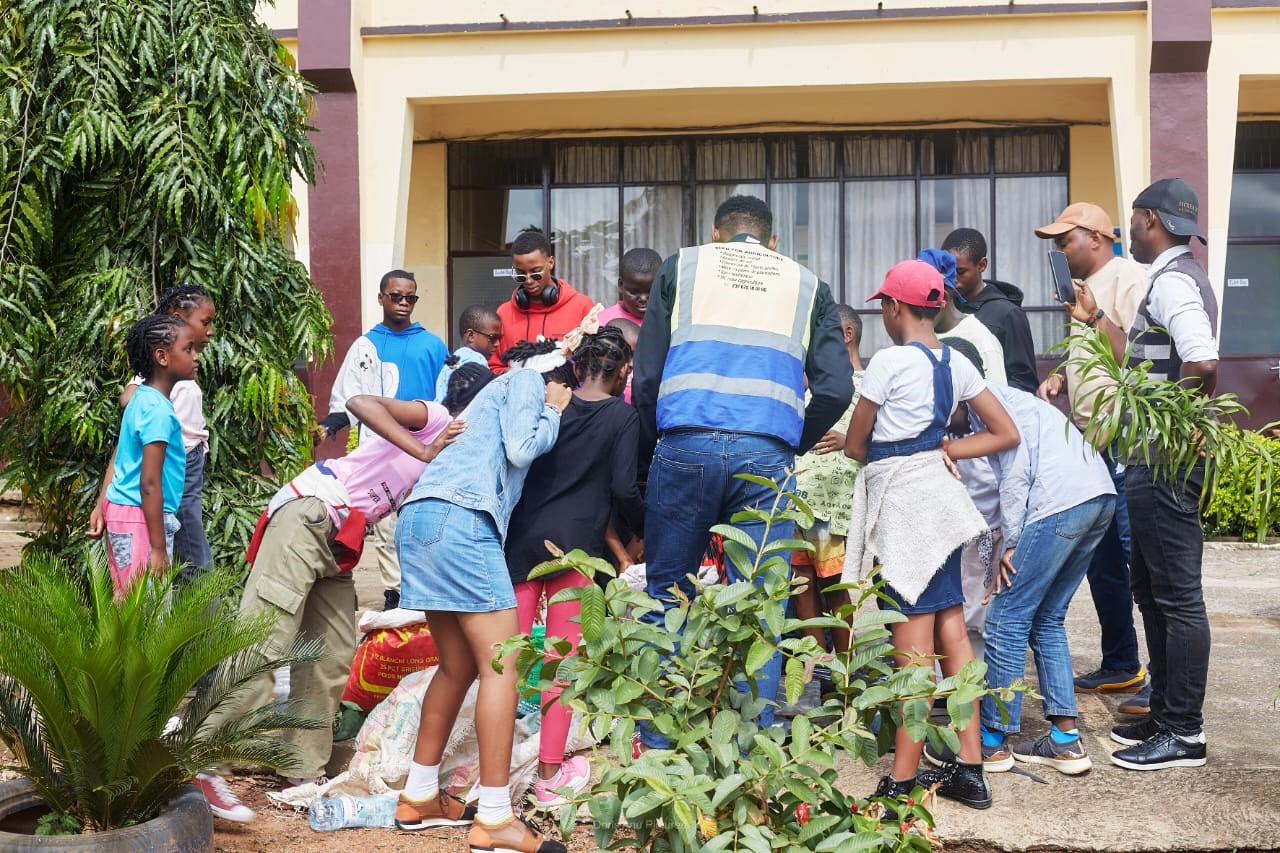
From tree nursery and forestry management, agripreneurial initiatives and product showcases, and mushroom-growing programs for rural women, to hands-on farm days, young farmer clubs and school gardening clubs, youth career workshops, and youth skills-building workshops, their initiatives reflect a shared commitment to learning by doing and empowering others through knowledge transfer. What stands out is how these young leaders are not waiting for change to happen; rather, they are proactively organizing dialogues, strengthening local value chains, and amplifying youth voices in regional conferences and policy spaces.
In Latin America, the momentum is equally vibrant. With a goal of creating a peer-led, energizing, impactful space, YPARD LAC organized its first ever Regional Meeting in Lima, Peru in November. Over 60 young people from all over the region met to strengthen their network, share knowledge, and build the Regional Agenda of Rural Youth.
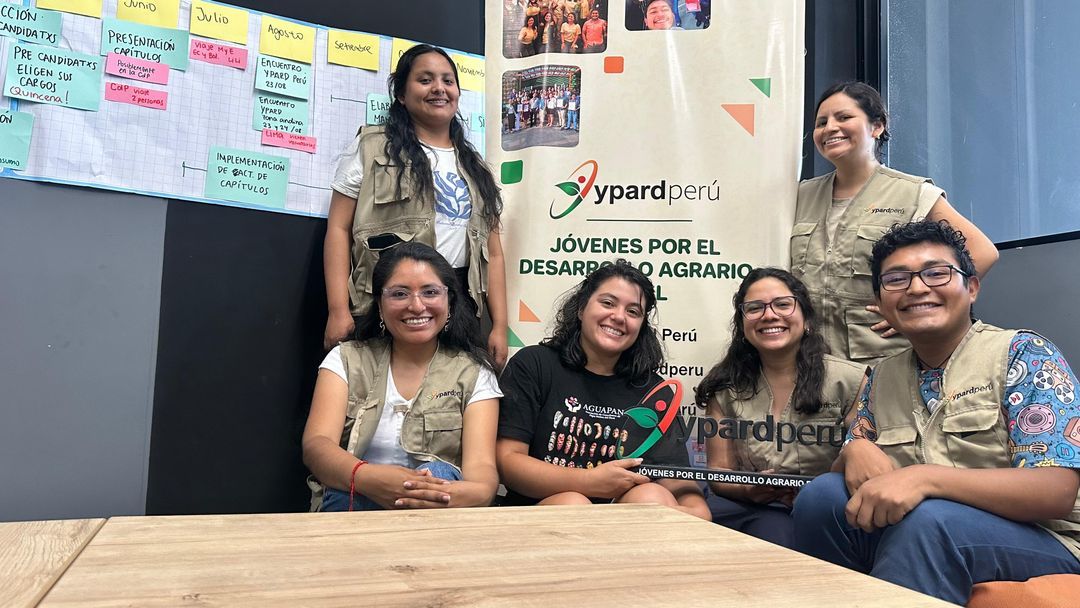
The need to articulate and enhance youth participation in rural development and sustainable food systems in the Andean region was exemplified by YPARD Peru’s Tri-national Project “YPARD Networks in Action” funded by the McKnight Foundation's Global Collaborative Program for Resilient Food Systems, which facilitated new Chapters in the region and coordinated several regional consultation meetings. These cross-border youth networks show how rural youth are organizing to voice their priorities and participate in agroecological and rural development processes.
Likewise, initiatives by Chapters in Europe and Asia underscore the importance of youth leadership in landscape restoration, sustainable production, and community engagement. YPARD Albania’s contributions to food-loss prevention efforts, YPARD Germany’s work connecting youth to climate-research networks, and YPARD China’s use of theory-of-change processes to envision sustainable futures all highlight the role of young professionals in strengthening evidence-based and locally responsive solutions.
Together, these regional and national efforts demonstrate that regardless of geography, young people across YPARD’s network are building bridges between research and practice, tradition and innovation, local needs and global goals to co-create food systems that reflect their aspirations for a more just and sustainable future. The 2025 Restoration Day celebration exemplified community engagement beyond borders, where YPARDians across several countries gathered in their communities to plant thousands of trees as an act of protecting nature and promoting resilience.
As we close this pivotal year, we stand encouraged and deeply grounded in the collective strength, creativity, and determination of our global community. As we like to keep reiterating: young people are not just the leaders of tomorrow, but also the leaders of today. We are spearheading change in our communities with motivation and perseverance, and this year continued to show our impact.
With the upcoming Strategic Plan 2026–2031, we are entering the new year with renewed clarity, purpose, and momentum. Together, we look forward to building on the foundations laid in 2025 and driving forward a global movement where youth voices remain at the heart of climate action, food systems transformation, and sustainable development. Until then, we wish everyone a reflective end of the year!